
USFans Women’s Finds: Build the Outfit Around Fit and Proportion
When browsing USFans women’s finds, begin with the outfit you want to wear rather than treating a category label as a sizing promise. A short top with higher-rise trousers asks different questions from a loose shirt worn over a skirt. Decide how the pieces should meet before choosing their labelled sizes.
Choose a useful reference outfit
Start with clothing you already wear comfortably for a similar purpose. Note where the top finishes, where the waistband sits and how much room you prefer. If you want a different silhouette, identify the specific change instead of assuming that a smaller or larger size will produce it.
A styled photograph can suggest an outfit, but the model's proportions and pose are not your measurements. Check the individual garment information even when the photograph looks close to the result you want.
Compare the measurements that affect the shape
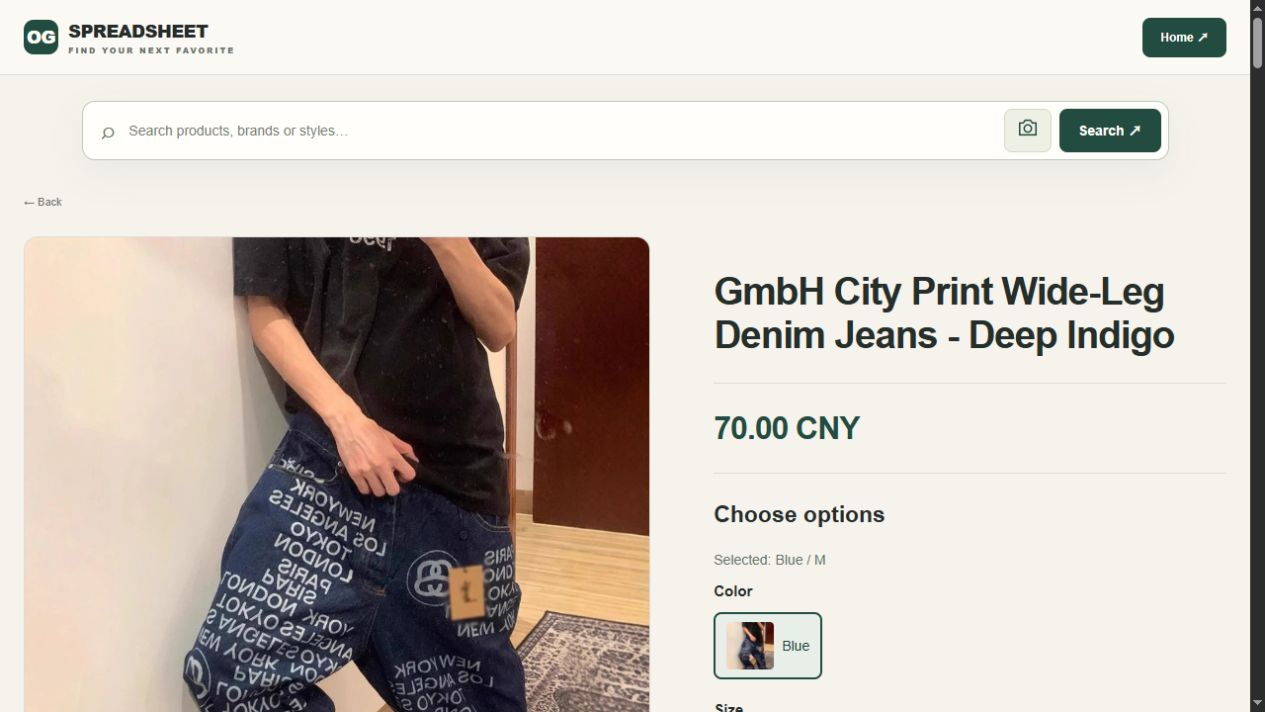
For a top, consider its length and the measurements relevant to the intended cut. For trousers, keep waist, rise and leg length separate. A flat garment width is not directly interchangeable with a body circumference, and different measuring methods can make two numbers look more comparable than they are.
Use the size guide when the chart's units or endpoints are unclear. Do not assume that a generic size label transfers between listings or that a unisex label guarantees a particular fit.
For a trouser comparison, inspect a jeans product page on USFans Spreadsheet. Treat it as a candidate to assess by its own cut and measurements, not as a claim that it suits every body or is specifically designated womenswear.
Check how adjacent pieces work together
Compare a top's intended hem position with the trousers or skirt you will wear beside it. Consider sleeves under outerwear and footwear beside the lower hem. These relationships can help explain why two individually suitable pieces do not create the outfit you expected.
The trouser guide covers waist and leg comparisons in more detail. If your plan uses a layered shirt or jacket, compare those measurements separately rather than ordering every piece in the same labelled size.
Separate visible styling from fabric behaviour
Look for relevant information when stretch, lining, coverage or care matters to your choice. Do not infer these properties from a smooth-looking photograph or a model's pose. A close-up may help identify a visible detail, but it cannot predict how a garment will feel after a day's wear.
For a coordinated look, confirm whether the selected option includes all the pieces shown. Accessories in an outfit photograph should not be counted as included unless the product information establishes that.
Review the selected garments before planning the parcel
Use QC photos to compare the selected colour, visible design and relevant measurements when provided. An unfamiliar camera angle can make a length or shape hard to assess; ask about the exact uncertainty rather than concluding that the entire item is wrong.
Keep each garment's question separate in your spreadsheet shortlist. Once the essential fit and contents questions are answered, use the buying guide to plan the purchase. A convincing outfit image is a starting point, not the final sizing decision.